Top 10 Sofa Buying Tips for Global Importers Seeking Quality
When it comes to selecting the perfect Sofa, quality should be the top priority for global importers. A sofa is not just a piece of furniture; it’s a centerpiece of comfort and style in any living space. Understanding how to choose a sofa wisely can significantly impact your import business.
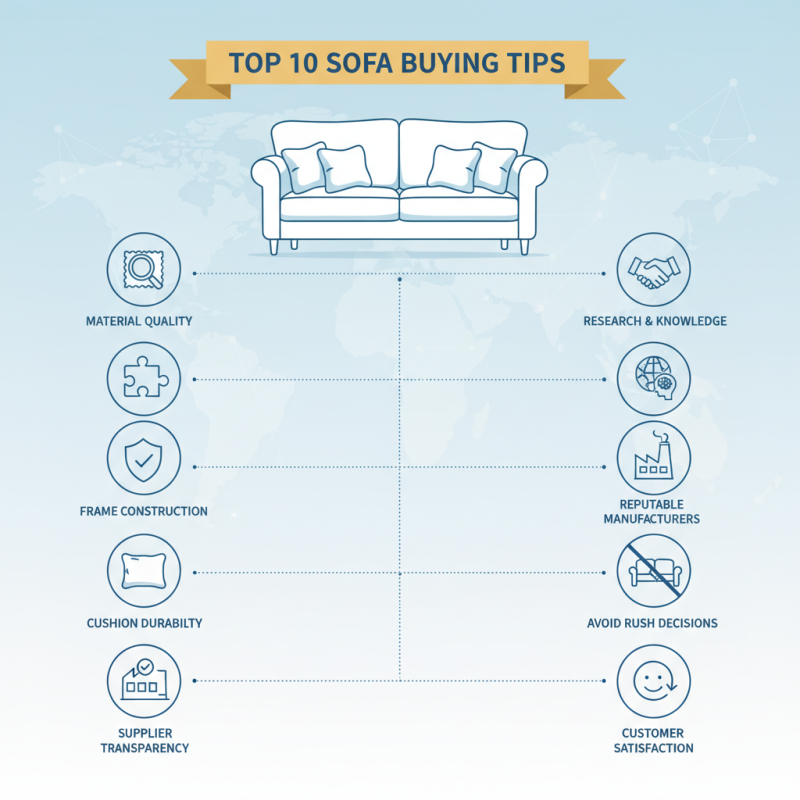
Many importers underestimate the importance of material and craftsmanship. A well-made sofa can last for years, providing value and satisfaction. Pay attention to the details—stitching, frame construction, and cushions all contribute to durability. Importers should be aware that not all suppliers are transparent about their manufacturing processes.
Choosing the right sofa requires knowledge and caution. Some sofas might look good at first glance but fail to meet quality standards. It’s essential to conduct thorough research and partner with reputable manufacturers. Trust your instincts and don’t rush the decision. A thoughtful choice today can lead to higher customer satisfaction tomorrow.
Understanding the Global Sofa Market Trends and Preferences
The global sofa market is rapidly evolving. Importers must understand current trends to source quality products. Consumers today value sustainability and eco-friendly materials. Many prefer upholstery made from organic fabrics. Wood frames treated with non-toxic finishes are increasingly sought after.
Design preferences shift frequently. Minimalistic styles dominate urban markets. However, some regions still favor traditional designs with intricate details. Colors are diverse, from neutral tones to vibrant hues. Importers should pay attention to regional preferences to meet customer demands effectively.
Quality is paramount, but not always easy to assess. Many sofas look appealing online. However, examining craftsmanship in person remains crucial. Importers should consider the durability of materials. This ensures customer satisfaction and reduces return rates. Relying solely on online images may lead to mismatched expectations. The challenge lies in balancing aesthetics with functionality.
Identifying Quality Materials for Durable and Comfortable Sofas
When selecting sofas, understanding the materials is crucial. High-quality sofas often use solid wood frames, which provide durability. Look for natural materials like leather or cotton. These not only enhance comfort but also increase the lifespan of the sofa. Synthetic materials can be durable but may lack breathability.
Choosing the right fabric matters. Check the density of foams and cushions. High-density foam offers optimal support and comfort. Be aware of the weight of the sofa. Heavier sofas generally indicate better construction. Soft cushions might feel nice initially, but they can sag over time.
Pay attention to the seams and stitching. Tight, even stitches indicate quality craftsmanship. Loose threads or uneven seams might cause issues down the line. Inspect the sofa thoroughly before purchasing. It’s wise to sit on it for a while. Comfort can be subjective, and initial impressions may mislead. Always trust your instincts when assessing quality.
Evaluating Supplier Credentials and Certifications for Importing
When importing sofas, evaluating supplier credentials is crucial. A recent industry report shows that up to 70% of importers face quality issues due to inadequate supplier vetting. Verifying certifications can mitigate this risk significantly. Look for suppliers who provide clear documentation of quality standards. ISO certifications and compliance with safety regulations are often good indicators of reliability.
Understanding the manufacturing processes of potential suppliers is also essential. A survey from the International Trade Association found that over 60% of importers overlooked factory visits. This oversight can lead to poor product quality. Engaging with suppliers who are willing to share their production practices fosters transparency. It's vital to request both material and craftsmanship details to ensure longevity in design and function.
Quality assurance should be a priority. Many importers assume that low prices equal value, which can lead to regrets. Investing in reputable suppliers often proves to be more cost-effective in the long run. Regular audits and follow-up checks are necessary to maintain standards. Ignoring these practices can tarnish your brand’s reputation, affecting customer trust. Quality shouldn't be an afterthought—it's a foundational element of your business strategy.
Conducting Effective Product Inspections Before Acceptance
Conducting thorough product inspections is crucial for importers specializing in sofas. The quality of the sofa impacts customer satisfaction significantly. Focus on the details. Check the stitching and seams. Inspect the material for any flaws. A small imperfection can become a big issue later.
Ensure the foam quality meets your standards. Sit on the sofa to assess comfort. Don't overlook the frame; it should be sturdy. Remember that a beautiful sofa can hide defects. Look for inconsistencies in color and texture. Documenting issues during an inspection can prevent disputes later on.
Transparency in communication with suppliers is essential. Share your findings openly. This builds trust and strengthens partnerships. Also, be ready to provide feedback. Continuous improvement is key. An imperfect sofa today could lead to a better product tomorrow.
Navigating Shipping and Logistics for Sofa Importation Success
When importing sofas, navigating shipping and logistics is critical. Global importers must understand the complexities involved. According to a report by Statista, 80% of global trade relies on shipping. Proper planning can greatly reduce costs and enhance efficiency.
Customs clearance can be a significant hurdle. Delays can arise from incomplete documentation or incorrect classification of goods. The World Customs Organization emphasizes the need for accurate tariff codes. Poor labeling can lead to unexpected taxes, severely impacting your budget.
Another challenge is managing lead times. A recent industry analysis revealed that lead times have increased by 30% in the last year, primarily due to congestion at ports. Importers should build contingency plans to handle unexpected delays. Regularly communicating with freight forwarders can help identify potential hold-ups in advance. Balancing these logistics will ultimately lead to a smooth importation process—one that can set a business apart in a competitive market.
Top 10 Sofa Buying Tips for Global Importers Seeking Quality
